Count usable days, not just calendar days
A seven-day holiday does not necessarily provide seven full days of sightseeing. Flights, station transfers, hotel check-in and moving between cities all use time. Write down arrival and departure times first, then add each intercity journey. If a day contains a long transfer, avoid treating it as a full sightseeing day as well. This makes it easier to compare routes with different numbers of cities.
Around seven days: choose one area or a focused pair
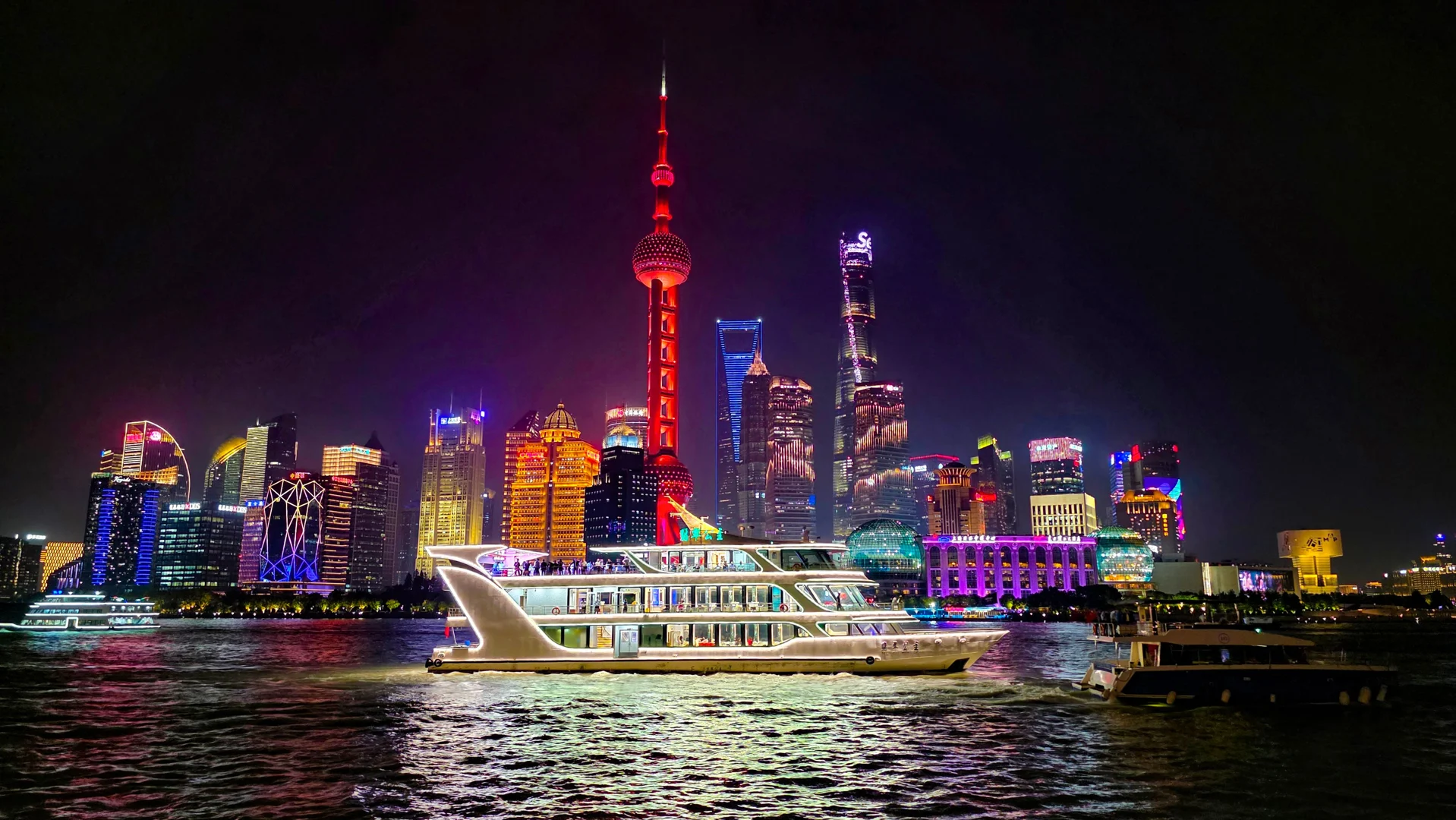
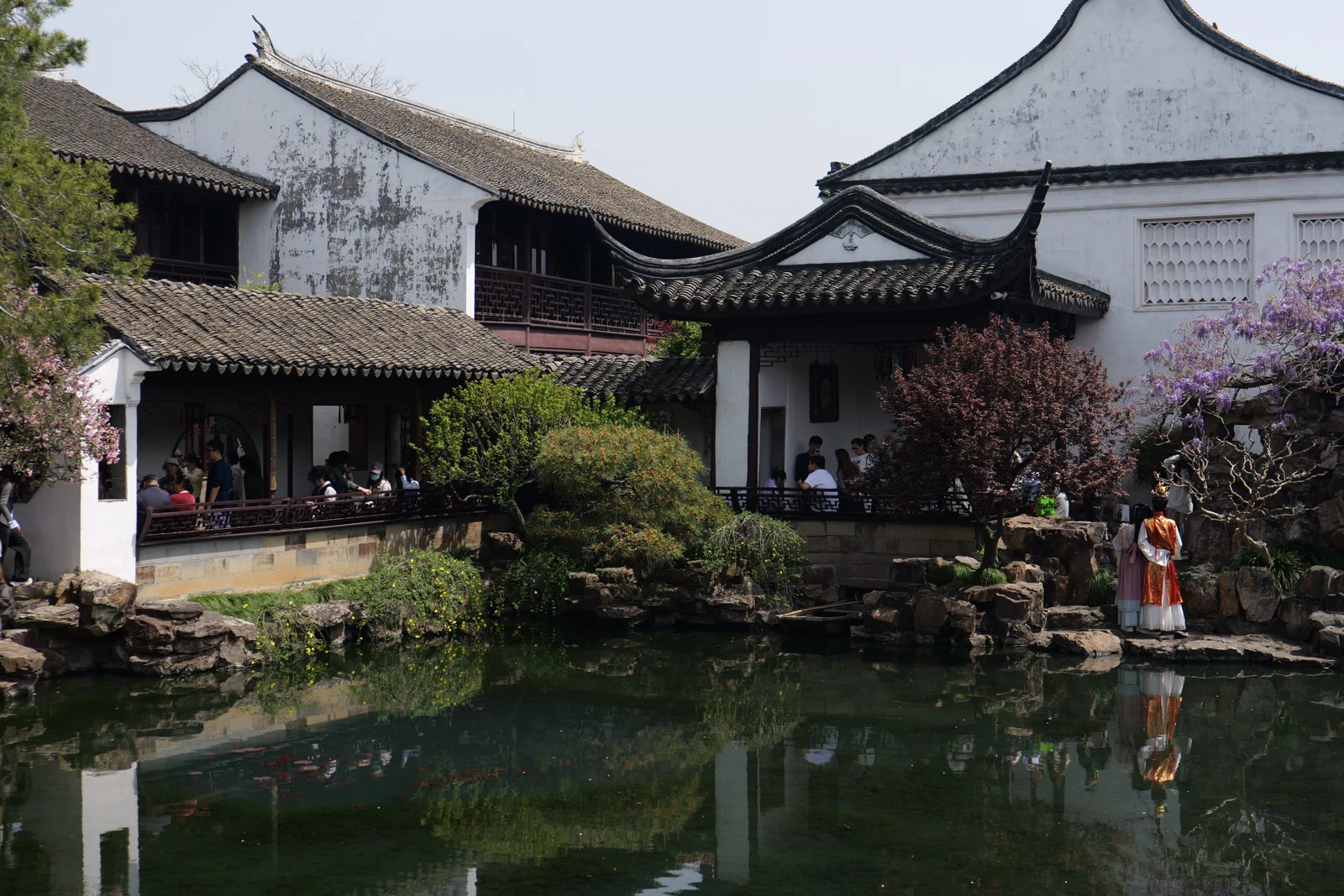
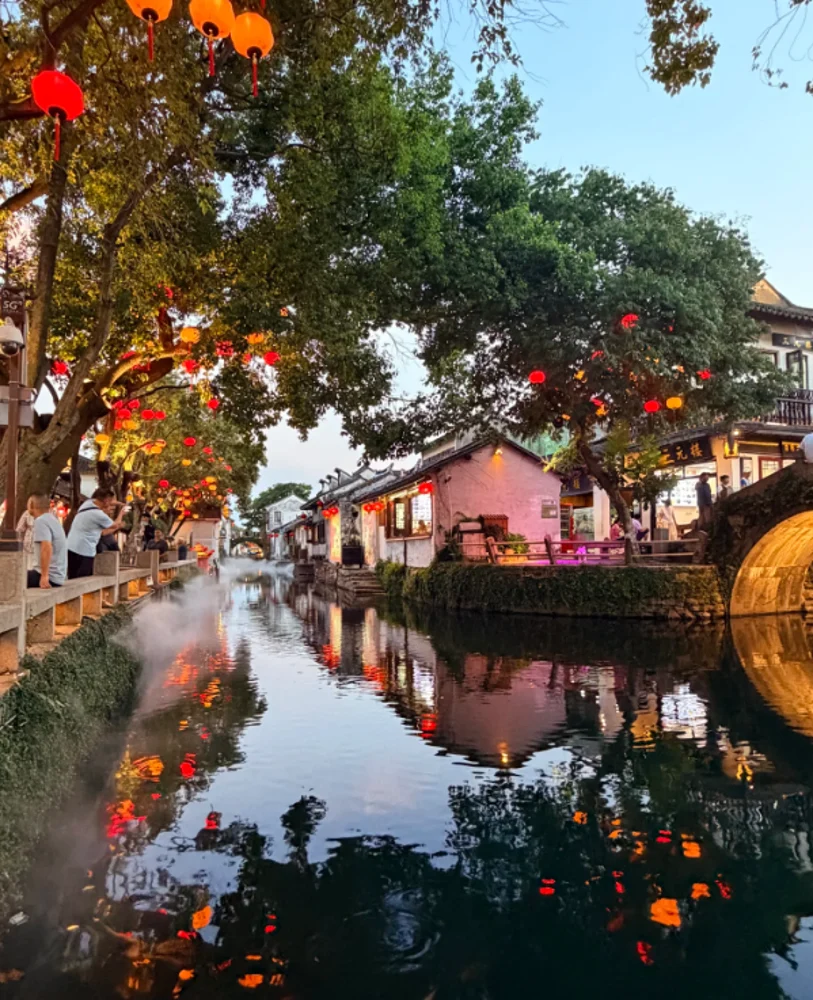
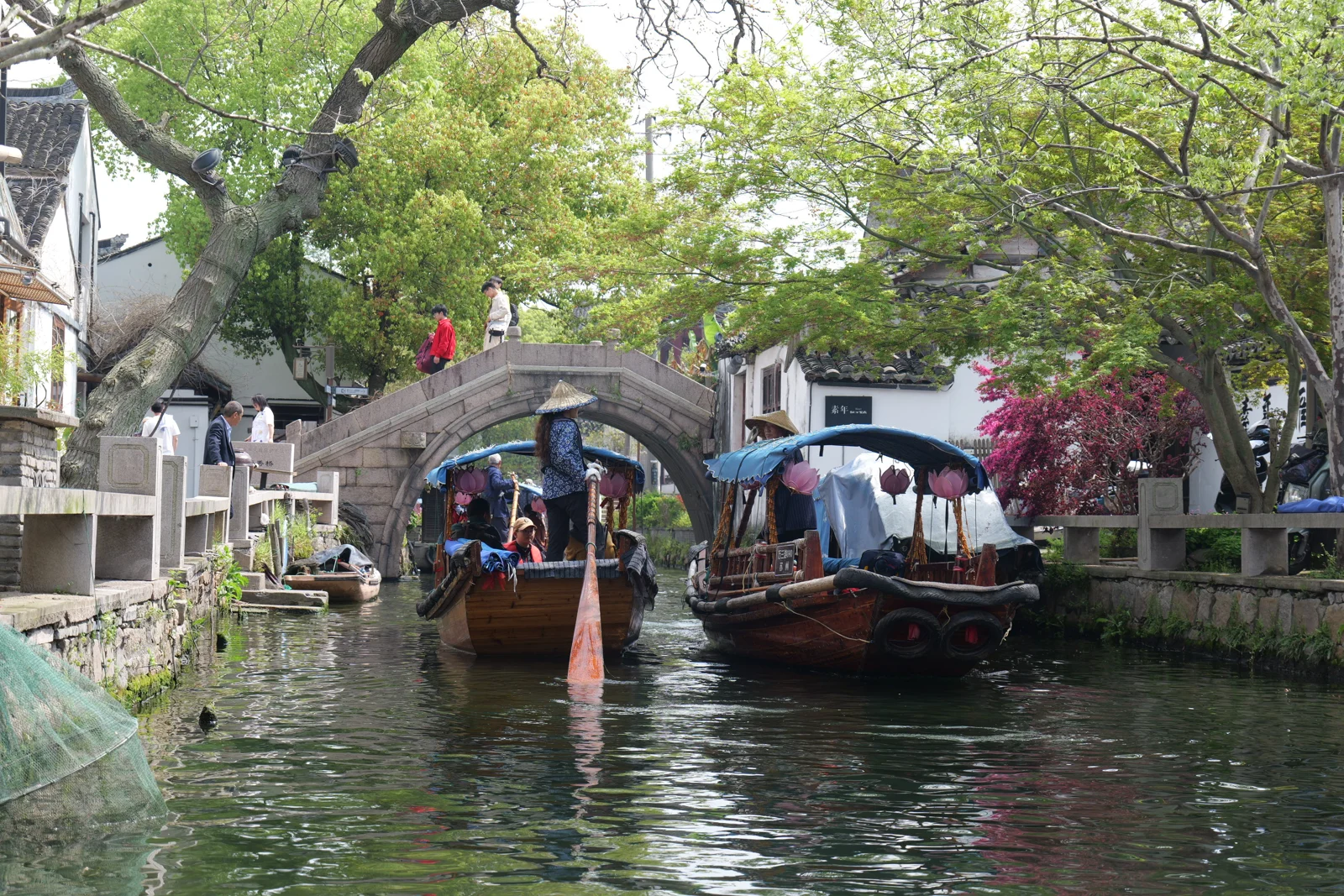
For a shorter trip, a connected regional route can leave more time at each stop. The Shanghai–Suzhou–Hangzhou route and the Shanghai–Beijing route both have a suggested duration of 7–9 days in the client itinerary. They offer different travel experiences: one focuses on Jiangnan cities, gardens and water towns; the other combines Shanghai with Beijing. Seven days would require choosing priorities carefully rather than assuming every listed visit will fit.
Around ten days: balance travel and variety
With around ten days, compare the 9–11-day Shanghai–Chengdu–Northern Sichuan route or the 9–11-day Shanghai–Suzhou–Qingdao route. The Shanghai–Zhangjiajie route is suggested at 8–10 days. Choose the landscape and cultural experiences you most want, then assess transfer times and walking demands. Adding another destination usually means reducing time somewhere else; it does not automatically make the trip more rewarding.
Fifteen days or longer: decide between touring and a base
The wider Shanghai–Suzhou–Hangzhou–Beijing–Chengdu–Northern Sichuan route is suggested at 15–18 days. The Kunshan-based option is suggested at 15–30 days, with regional outings and free time discussed separately. These are different ways of travelling. Choose between moving across several regions and keeping one accommodation base, then agree the actual visits, overnight stays and any optional extensions with your planner.
Plan your China journey
Tell us your dates, group size, interests and budget to discuss a suitable route.